
Tallow Cream: The Ancient Skincare Solution Making a Modern Comeback
hace 4 meses · Actualizado hace 2 meses

For thousands of years, humans have turned to animal fats for nourishment—both inside and out. Today, in an era dominated by synthetic ingredients and complex chemical formulations, Tallow Cream is experiencing a remarkable renaissance. This traditional skincare ingredient, derived from rendered beef fat, is capturing attention across beauty and personal care trends for its unique ability to mimic human skin's natural oils. But does this age-old remedy truly deserve a place in modern skincare routines, or is it simply another fleeting trend?
The answer lies in understanding what makes tallow cream fundamentally different from conventional moisturizers. Unlike plant-based alternatives that sit on the skin's surface, tallow's fatty acid profile closely resembles human sebum, allowing it to integrate seamlessly with the skin's natural barrier. This biocompatibility, combined with a rich vitamin content, positions tallow cream as both a historical remedy and a scientifically intriguing skincare solution.
Key Takeaways
- Tallow cream is made from rendered beef fat that solidifies into a balm-like consistency, rich in vitamins A, D, E, K, and B12 that support skin health and cellular function.
- The fatty acid composition of tallow closely mirrors human sebum, containing oleic, stearic, palmitic, and linoleic acids that allow superior absorption and skin barrier support.
- Best suited for dry, sensitive, and mature skin types, tallow cream functions as both an emollient and occlusive moisturizer, though those with oily or acne-prone skin should exercise caution.
- Grass-fed tallow from quality sources provides the most beneficial nutrient profile, with applications ranging from facial moisturizer to body balm and lip treatment.
- Limited human research exists despite promising anecdotal evidence and historical use, making it important to patch test and consult skincare professionals before incorporating tallow into routines.
- What Is Tallow Cream and How Is It Made?
- 🧴 Tallow Cream Compatibility Checker
- The Science Behind Tallow Cream's Skin Benefits
- How to Use Tallow Cream in Your Skincare Routine
- Tallow Cream for Different Skin Types and Conditions
- Choosing Quality Tallow Cream: What to Look For
- The Broader Context: Tallow in Modern Skincare Trends
- Potential Drawbacks and Considerations
- Conclusion: Is Tallow Cream Right for You?
- References
What Is Tallow Cream and How Is It Made?
Tallow cream represents one of skincare's most straightforward formulations: purified beef fat that has been rendered, filtered, and often whipped with complementary ingredients. At room temperature, tallow solidifies into a creamy, balm-like consistency similar to coconut oil, making it surprisingly easy to apply despite its animal-based origins.
🧴 Tallow Cream Compatibility Checker
Find out if tallow cream is right for your skin type and concerns
Your Tallow Cream Compatibility
📊 Recommendation
💡 Tips for Your Skin Type
The Rendering Process
The creation of quality tallow begins with grass-fed beef fat, typically sourced from suet—the hard fat surrounding cattle kidneys and loins. This fat undergoes a rendering process where heat slowly melts the fat, separating it from connective tissue and impurities. The liquid fat is then strained multiple times through fine mesh or cheesecloth to remove any remaining particles.
High-quality tallow products are handcrafted in small batches to ensure purity and potency. The rendering temperature matters significantly—low and slow heat (around 200-250°F) preserves the beneficial vitamins and fatty acids that higher temperatures would destroy. Once cooled, the purified tallow solidifies into a white or cream-colored substance with a subtle, natural scent.
From Basic Tallow to Whipped Cream
While pure tallow can be used directly on skin, many modern formulations transform it into whipped tallow by incorporating complementary ingredients:
- Carrier oils like jojoba oil, avocado oil, or rosehip oil to enhance absorption
- Essential oils such as frankincense, lavender, or rose oil for fragrance and additional skin benefits
- Beeswax to adjust consistency and add protective properties
- Shea butter or other butters to create a lighter texture
The whipping process introduces air into the mixture, creating a fluffy, easily spreadable texture that feels less heavy on the skin. This tallow face cream formulation makes the product more cosmetically elegant while maintaining the core benefits of the beef tallow base.
The Science Behind Tallow Cream's Skin Benefits
What sets tallow cream apart from conventional moisturizers isn't marketing hype—it's biochemistry. The unique composition of beef tallow aligns remarkably well with human skin's natural structure, offering benefits that extend beyond simple hydration.
Fatty Acid Profile: Nature's Perfect Match
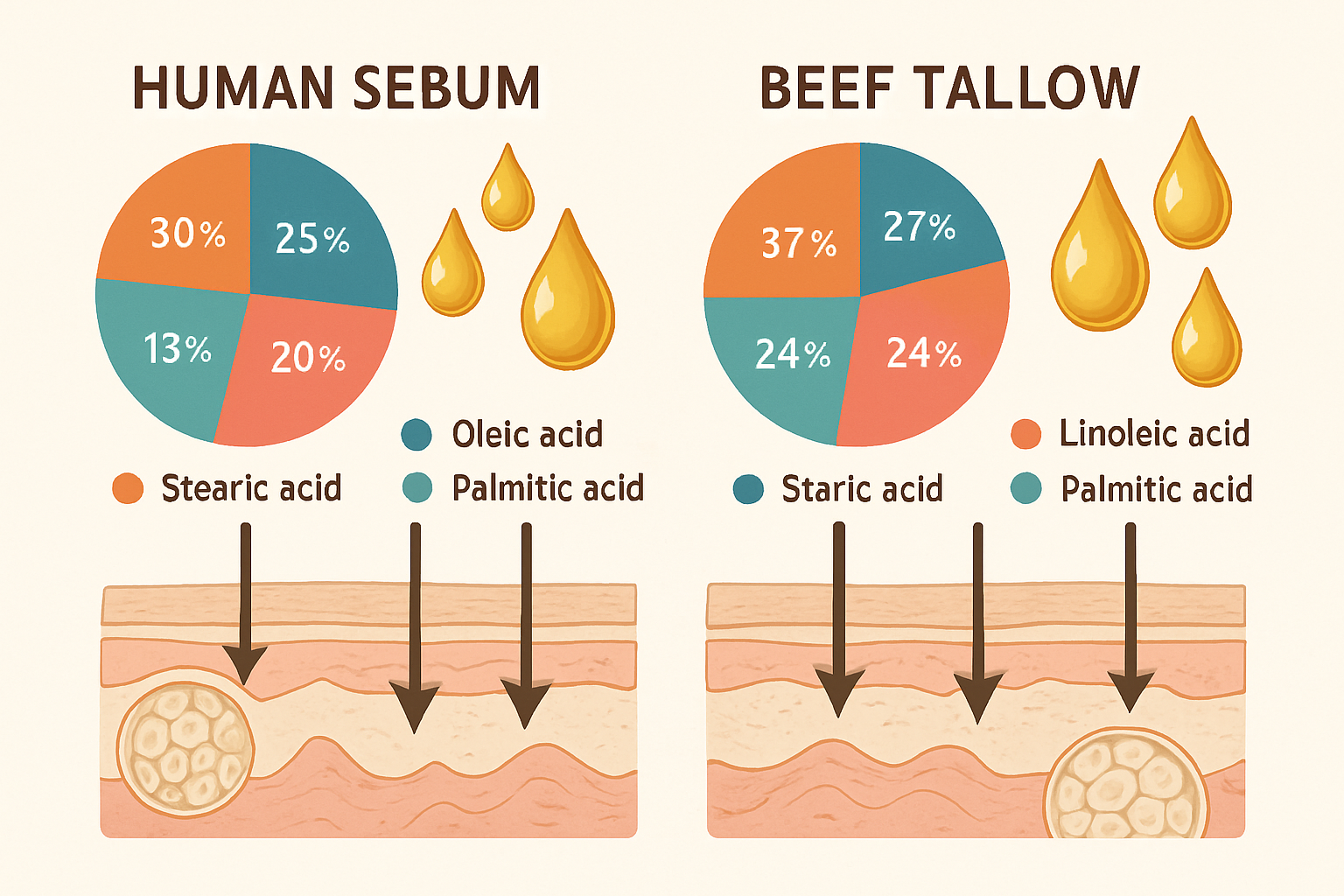
The most compelling scientific argument for using tallow on skin centers on its fatty acid composition. Tallow is rich in four primary fatty acids that mirror human sebum[1]:
| Fatty Acid | Percentage in Tallow | Function in Skin |
|---|---|---|
| Oleic Acid | 40-50% | Penetrates deeply, enhances absorption of other nutrients |
| Palmitic Acid | 25-30% | Supports skin barrier function, antimicrobial properties |
| Stearic Acid | 15-25% | Repairs and strengthens skin barrier, provides slip |
| Linoleic Acid | 2-5% | Anti-inflammatory, helps regulate sebum production |
This composition allows tallow to absorb into the skin rather than sitting on the surface like many plant-based oils. The similarity to human sebum means the skin recognizes tallow as compatible, readily incorporating it into the lipid barrier without triggering inflammatory responses in most individuals.
Vitamin-Rich Nourishment
Beyond fatty acids, tallow contains significant concentrations of fat-soluble vitamins that deeply nourishes skin at the cellular level[2]:
- 🔸 Vitamin A (Retinol): Supports cell turnover, collagen production, and can help reduce the appearance of fine lines and wrinkles
- 🔸 Vitamin D: Aids in skin cell growth, repair, and metabolism; supports immune function in skin
- 🔸 Vitamin E: Powerful antioxidant that protects against oxidative stress and environmental damage
- 🔸 Vitamin K: Helps with skin healing, may reduce dark circles and bruising
- 🔸 Vitamin B12: Supports cell reproduction and skin renewal
These vitamins work synergistically to support skin health through multiple mechanisms, from protecting against free radical damage to accelerating healing processes.
Conjugated Linoleic Acid (CLA): The Anti-Inflammatory Advantage
Grass-fed beef tallow contains higher levels of conjugated linoleic acid compared to grain-fed alternatives. CLA demonstrates anti-inflammatory and antimicrobial properties that may help soothe troubled skin, reduce redness, and potentially minimize breakout occurrences[3]. This compound represents one of the key reasons why sourcing matters when selecting tallow products.
Dual-Action Moisturization
Tallow cream functions as both an emollient and an occlusive moisturizer:
- Emollient action: Softens and smooths skin by filling in gaps between skin cells
- Occlusive action: Creates a protective barrier that prevents transepidermal water loss
This dual mechanism means tallow doesn't just add moisture—it helps the skin retain its existing hydration while protecting the skin barrier against environmental stressors like wind, cold, and pollution.
How to Use Tallow Cream in Your Skincare Routine
Incorporating tallow cream into a skincare routine requires understanding both application techniques and appropriate use cases. While versatile, tallow works best when used strategically based on individual skin type and specific skin concerns.
Facial Application: Less Is More
For facial use, the golden rule with tallow face moisturizer is moderation. A pea-sized amount typically suffices for the entire face and neck:
Step-by-step application:
- Cleanse thoroughly: Apply tallow only to clean skin to prevent trapping impurities
- Warm the product: Rub the small amount between fingertips to melt slightly
- Pat, don't rub: Gently press into skin rather than dragging across the surface
- Focus on dry areas: Concentrate on cheeks, around the nose, and other areas prone to dryness
- Allow absorption: Wait 2-3 minutes before applying additional products
Best timing: Many users find that using tallow at night produces optimal results, as the extended contact time allows maximum absorption and the skin's natural repair processes work synergistically with the vitamins in tallow.
Body Application: Target Problem Areas
Tallow balm excels when applied to rough, dry areas of the body:
- Elbows and knees: Apply after showering to lock in moisture on these naturally drier areas
- Hands and cuticles: Massage into hands before bed; particularly effective for preventing hangnails
- Feet: Apply generously to cracked heels, then cover with cotton socks overnight
- Post-shave: Use on legs or face after shaving to soothe irritation and prevent razor burn
The thicker consistency of tallow makes it ideal as a body butter alternative, particularly for those who find conventional lotions insufficiently moisturizing.
Lip Care and Specialized Uses
The same properties that make tallow effective on facial skin translate beautifully to lip care:
- Lip balm alternative: Apply a tiny amount to lips to protect against chapping and restore softness
- Natural sheen: Provides subtle shine without synthetic fragrances or flavors
- Cold weather protection: The occlusive properties shield lips from harsh environmental conditions
Some users also incorporate tallow into their routines as:
- Eye cream: Applied very gently around the orbital bone (avoiding direct eye contact)
- Spot treatment: Dabbed on particularly dry patches or areas of irritation
- Makeup primer: A very thin layer can create a smooth canvas for foundation (best for dry skin types)
Integration with Other Products
Tallow cream can be layered with other skincare products, but sequencing matters:
Recommended order:
- Cleanser
- Toner or essence
- Serums (water-based, then oil-based)
- Tallow cream
- Sunscreen (morning only)
Because tallow is occlusive, applying it before water-based products may prevent their absorption. However, it works well over serums, allowing it to seal in those active ingredients.
Tallow Cream for Different Skin Types and Conditions
Not all skin responds identically to tallow cream. Understanding how this traditional ingredient interacts with various skin types and conditions helps determine whether it deserves a place in individual health and wellness trends and personal care routines.
Ideal Candidates: Dry and Mature Skin
Dry skin represents the ideal match for tallow-based products. The rich fatty acids and occlusive properties address the fundamental issues facing dry skin:
- Restores lipid barrier integrity
- Prevents moisture loss throughout the day
- Provides lasting hydration without frequent reapplication
- Reduces flaking and tightness
For mature skin, the vitamin A content offers particular appeal. While not as potent as prescription retinoids, the natural retinol in tallow supports collagen production and cell turnover, potentially reducing the appearance of wrinkles and improving skin texture over time[4].
"The way my skin feels after using tallow cream is dramatically different from conventional moisturizers. It's deeply nourished without feeling heavy or greasy."
Sensitive Skin: Proceed with Caution
Sensitive skin presents a more nuanced picture. On one hand, the simple ingredient list of pure or minimally processed tallow eliminates many common irritants found in commercial products:
- No synthetic fragrances
- No parabens or preservatives
- No seed oils that some individuals react to
- Natural, recognizable ingredients
However, some individuals with sensitive skin may react to:
- The natural scent of tallow (even when labeled unscented)
- Specific essential oils added to formulations
- The richness of the product itself
Recommendation: Those with sensitive skin should perform a patch test on the inner forearm for 24-48 hours before facial application. Starting with unscented tallow formulations minimizes potential irritation from added fragrances.
Oily and Acne-Prone Skin: The Controversy
The relationship between tallow cream and acne prone skin remains contentious. Social media testimonials claim tallow can clear acne and balance oil production, but dermatological experts express skepticism[5].
The case for caution:
- Despite claims of being non-comedogenic, rich oils can potentially contribute to clogged pores in susceptible individuals
- Oily skin already produces excess sebum; adding more fat may exacerbate issues
- Limited human research exists to support acne-clearing claims
- Plant-based alternatives like aloe vera have more robust scientific backing
The potential mechanism:
- Tallow's similarity to sebum might theoretically help regulate overproduction
- Anti-inflammatory properties could reduce inflammatory acne
- Antimicrobial effects might combat acne-causing bacteria
Expert consensus: Individuals with oily or acne-prone skin should approach tallow cautiously, starting with small amounts on limited areas, and discontinuing use if breakouts increase.
Specific Skin Conditions
Tallow may offer benefits for certain skin conditions, though medical consultation remains essential:
Eczema and dermatitis:
- Anti-inflammatory properties may soothe flare-ups
- Barrier repair supports healing
- Reduces itching and irritation in some users
Psoriasis:
- Moisturizing effects help manage scaling
- Vitamin D content may provide mild therapeutic benefit
- Not a replacement for prescribed treatments
Rosacea:
- Simple formulations avoid common triggers
- Some users report reduced redness
- Others find any occlusive product exacerbates symptoms
Important note: Tallow should complement, not replace, medical treatments for diagnosed skin conditions. Always consult healthcare providers before using tallow on compromised skin.
Choosing Quality Tallow Cream: What to Look For
Not all tallow products offer equal benefits. The source of the tallow, processing methods, and additional ingredients significantly impact both efficacy and safety. Knowing what distinguishes quality tallow from inferior products empowers consumers to make informed decisions.
Source Matters: Grass-Fed vs. Grain-Fed
Grass-fed beef tallow consistently demonstrates superior nutritional profiles compared to conventional alternatives:
Grass-fed advantages:
- Higher concentrations of vitamins A, D, E, and K
- Increased omega-3 fatty acids and CLA content
- Better fatty acid ratios for skin health
- Often from animals raised without antibiotics or hormones
Grain-fed considerations:
- Lower nutrient density
- Higher omega-6 to omega-3 ratios
- May contain residues from conventional farming practices
- Typically less expensive
The difference in benefits of using grass-fed versus grain-fed tallow can be substantial enough to justify the higher price point for those seeking maximum skin benefits.
Processing and Purity
Making tallow cream properly requires attention to detail throughout the production process:
Quality indicators:
- ✅ Low-temperature rendering to preserve nutrients
- ✅ Multiple filtration steps for purity
- ✅ Small-batch production for freshness
- ✅ Minimal processing and additives
- ✅ Clear sourcing information
Red flags:
- ❌ Unclear or absent sourcing details
- ❌ Artificial fragrances or colors
- ❌ Long ingredient lists with unrecognizable chemicals
- ❌ Mass production without quality controls
- ❌ Extremely low prices suggesting inferior sourcing
Complementary Ingredients to Seek
While pure tallow offers benefits, thoughtfully chosen additions can enhance performance:
Beneficial additions:
Carrier oils:
- Jojoba oil: Mimics sebum, enhances absorption
- Rosehip oil: Adds vitamin C, supports skin regeneration
- Avocado oil: Provides additional vitamins and penetration
Natural butters:
- Shea butter: Adds creaminess, additional vitamins
- Cocoa butter: Improves texture, adds antioxidants
Functional ingredients:
- Beeswax: Adjusts consistency, adds protective properties
- Honey or propolis: Antimicrobial, healing properties
- Emu oil: Enhances penetration, anti-inflammatory
Essential oils (when tolerated):
- Frankincense: Anti-aging, skin regeneration
- Lavender: Calming, antimicrobial
- Rose oil: Hydrating, anti-inflammatory
Reading Customer Reviews Critically
Customer reviews provide valuable insights but require critical evaluation:
Look for:
- Specific descriptions of results ("reduced flaking on cheeks")
- Mention of skin type and concerns
- Timeframe for seeing results
- Honest discussion of both benefits and drawbacks
- Photos showing actual product and results
Be skeptical of:
- Vague claims without specifics
- Exclusively positive reviews (no product works for everyone)
- Reviews that sound like marketing copy
- Lack of detail about actual use experience
Pay particular attention to reviews from users with similar skin types and concerns to your own, as individual responses to tallow vary significantly.
Storage and Shelf Life
Proper storage extends the usable life of tallow cream:
- Room temperature: Tallow remains stable at typical room temperatures (65-75°F)
- Cool, dark location: Protects vitamins from degradation
- Airtight containers: Prevents oxidation and contamination
- Shelf life: Typically 6-12 months when properly stored; grass-fed tallow may have shorter shelf life due to higher omega-3 content
Signs of spoilage include off odors, color changes, or separation that doesn't resolve with gentle stirring.
The Broader Context: Tallow in Modern Skincare Trends
The resurgence of tallow cream reflects broader shifts in consumer preferences and lifestyle trends that prioritize natural ingredients, sustainability, and ancestral wisdom. Understanding this context helps explain why this traditional ingredient is capturing modern attention.
The Clean Beauty Movement
Consumers increasingly scrutinize ingredient lists, seeking products free from:
- Synthetic fragrances and preservatives
- Parabens and phthalates
- Petroleum-derived ingredients
- Controversial seed oils
Tallow is a natural ingredient that aligns perfectly with these preferences, offering a recognizable, single-ingredient base that consumers can understand and pronounce. This transparency appeals to those seeking to simplify their skin care routine and reduce exposure to synthetic chemicals.
Sustainability and Nose-to-Tail Philosophy
The environmental consciousness driving many consumer choices extends to skincare. Using tallow represents a form of upcycling—utilizing a byproduct of meat production that might otherwise be discarded. This nose-to-tail approach:
- Reduces waste in the food system
- Maximizes the value derived from each animal
- Potentially reduces the environmental footprint of both food and cosmetics industries
For consumers who eat meat, using tallow-based skincare products creates consistency between dietary and topical choices while supporting more complete utilization of animal resources.
The Ancestral Health Connection
Tallow has been historically used for skin care across cultures and millennia, from ancient civilizations to frontier America. This historical precedent appeals to those following ancestral or traditional health approaches who argue that ingredients humans have used for thousands of years may be better tolerated than novel synthetic compounds.
The ancestral health movement emphasizes:
- Traditional food preparation methods
- Whole, minimally processed ingredients
- Practices that align with human evolutionary history
- Skepticism toward modern industrial food and cosmetics
Tallow fits seamlessly into this philosophy, representing a return to time-tested skincare solutions.
Social Media Influence and Viral Trends
Platforms like Instagram and TikTok have amplified interest in tallow cream through:
- Before-and-after transformation photos
- Testimonials from users with various skin concerns
- DIY tutorials for making tallow cream at home
- Influencer endorsements and product reviews
While social media exposure has introduced tallow to new audiences, it has also contributed to sometimes exaggerated claims about its capabilities. The viral nature of these platforms means that found that tallow testimonials spread rapidly, sometimes outpacing scientific evidence.
The Evidence Gap
Despite growing popularity and historical use, rigorous scientific research on tallow for skin remains limited. Most evidence comes from:
- Biochemical analysis of tallow's composition
- Extrapolation from studies on individual fatty acids and vitamins
- Anecdotal reports and user testimonials
- Traditional use patterns
What's missing:
- Large-scale clinical trials
- Controlled studies comparing tallow to established treatments
- Long-term safety and efficacy data
- Research on optimal formulations and concentrations
This evidence gap doesn't necessarily mean tallow is ineffective—many traditional remedies lack formal research despite proven benefits. However, it does mean claims should be tempered with appropriate caution, and individuals should maintain realistic expectations.
The growing interest in tallow has caught the attention of the beauty and personal care industry, with both small artisan producers and larger companies beginning to explore tallow-based formulations. This increased commercial interest may eventually drive more formal research into tallow's skincare applications.
Potential Drawbacks and Considerations
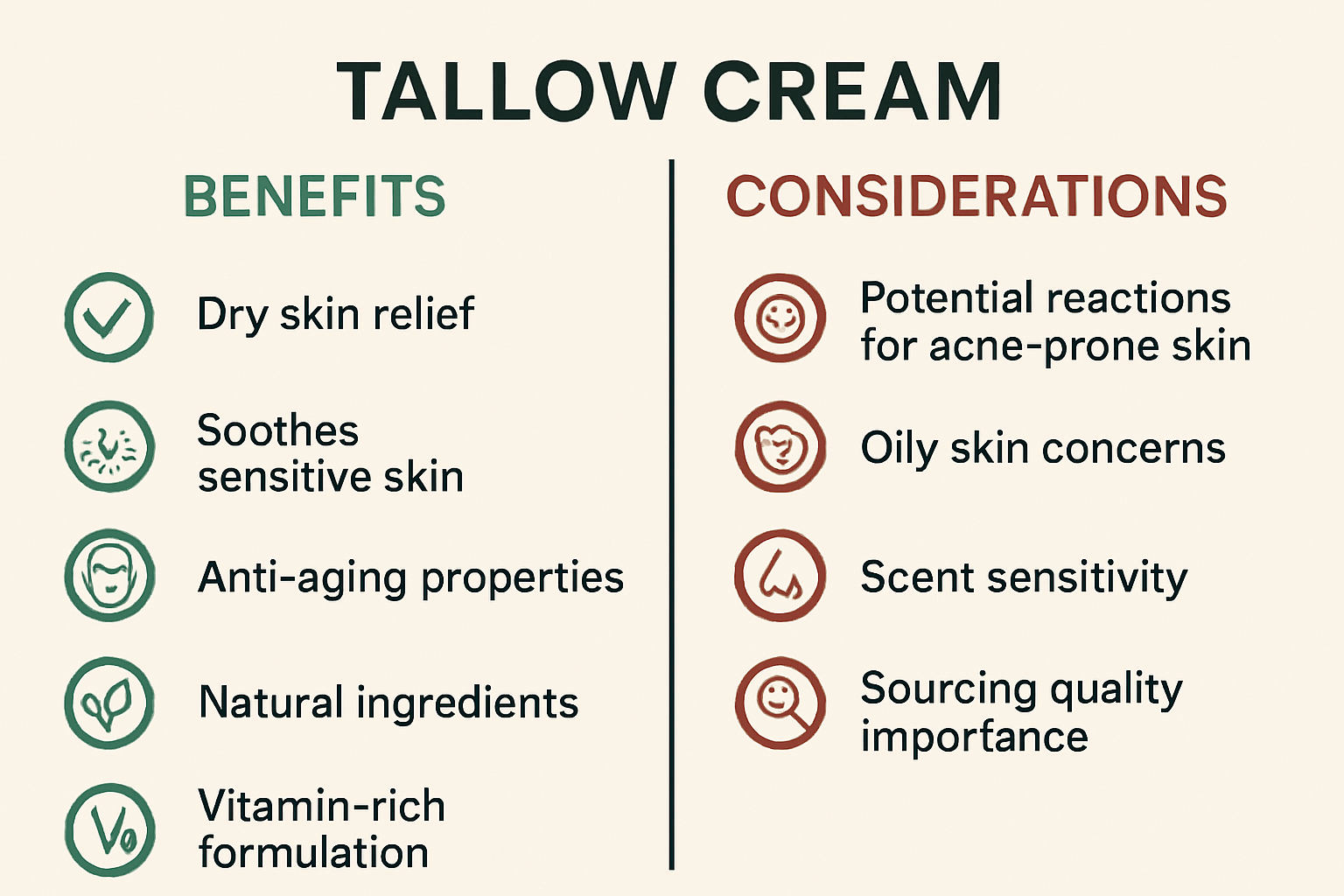
While tallow cream offers numerous benefits for appropriate skin types, honest evaluation requires acknowledging potential drawbacks and limitations. Understanding these considerations helps set realistic expectations and prevents disappointment.
The Scent Factor
Even unscented tallow retains a subtle natural scent that some users find off-putting. This odor stems from the rendered beef fat itself and varies based on:
- Quality of the source material
- Rendering temperature and duration
- Purification thoroughness
- Added ingredients that may mask or complement the base scent
While many users report the scent dissipates quickly after application, others remain sensitive to it. Those with scent sensitivities should request samples before purchasing full-size products or seek formulations with complementary essential oils like lavender or frankincense that naturally mask the tallow scent.
Texture and Absorption Concerns
The rich, heavy texture of tallow can feel greasy during initial application, particularly for those accustomed to lightweight lotions or gel moisturizers. While tallow typically absorbs within several minutes, the interim period may feel uncomfortable, especially in humid climates or for those with naturally oily skin.
Strategies to minimize greasiness:
- Apply to slightly damp skin for better absorption
- Use truly minimal amounts (less than you think necessary)
- Allow adequate absorption time before applying makeup or touching fabric
- Reserve use for nighttime when immediate absorption isn't critical
Limited Research and Evidence
Despite enthusiastic testimonials and historical use, the amount of tallow research specific to skincare applications remains limited. Most benefits of tallow are extrapolated from:
- Studies on individual fatty acids and vitamins
- Biochemical composition analysis
- Traditional use patterns
- Anecdotal user reports
This evidence gap means:
- Long-term effects remain understudied
- Optimal concentrations and formulations lack scientific validation
- Comparative effectiveness versus established treatments is unknown
- Individual variation in response cannot be predicted reliably
Ethical and Dietary Considerations
For vegetarians, vegans, and those who avoid animal products for religious or ethical reasons, tallow-based skincare presents an obvious incompatibility. Even some meat-eaters feel uncomfortable applying animal fat to their skin despite consuming it.
Additionally, those following halal or kosher dietary laws should verify that tallow products meet appropriate certification standards if religious compliance matters for topical applications.
Sourcing and Sustainability Questions
While using beef fat that might otherwise be discarded appears sustainable, the broader context involves:
- The environmental impact of cattle farming
- Questions about grass-fed versus conventional farming practices
- Transportation and processing energy requirements
- Comparison to plant-based alternatives' environmental footprints
Consumers concerned about sustainability should research individual producers' practices and consider whether tallow's benefits outweigh potential environmental concerns in their value system.
Regulatory and Standardization Issues
Unlike pharmaceutical products, cosmetics face less stringent regulation, meaning:
- Quality can vary significantly between producers
- Purity standards aren't universally enforced
- Claims may not require substantiation
- Contamination risks exist with improper processing
Purchasing from reputable producers with transparent practices and quality testing helps mitigate these concerns but doesn't eliminate them entirely.
Conclusion: Is Tallow Cream Right for You?
Tallow cream represents a fascinating intersection of ancestral wisdom and modern skincare science. Its fatty acid profile, remarkably similar to human sebum, combined with rich vitamin content, offers genuine benefits for appropriate candidates—particularly those with dry, mature, or sensitive skin seeking natural, minimally processed skincare solutions.
However, tallow isn't a universal solution. Those with oily or acne-prone skin should approach cautiously, if at all, despite viral social media claims. The limited scientific research, potential for scent sensitivity, and rich texture that some find greasy mean tallow requires realistic expectations and careful evaluation of individual compatibility.
Key Considerations for Decision-Making
Tallow cream may be an excellent choice if you:
- Have dry, flaky, or dehydrated skin
- Seek natural, minimally processed skincare
- Appreciate products with historical precedent
- Have mature skin concerned with fine lines and wrinkles
- Prefer simple ingredient lists without synthetic additives
- Need intensive moisturization for rough body areas
Proceed with caution or avoid tallow if you:
- Have oily, acne-prone, or congested skin
- Are sensitive to scents or animal-based products
- Follow vegetarian, vegan, or certain religious dietary laws
- Prefer lightweight, fast-absorbing textures
- Want extensive scientific research backing your skincare choices
Actionable Next Steps
If you decide to try tallow cream:
- Start with quality: Invest in grass-fed beef tallow from reputable producers with transparent sourcing
- Patch test first: Apply to inner forearm for 24-48 hours before facial use
- Begin conservatively: Use tiny amounts on limited areas initially
- Monitor your skin: Track changes in texture, hydration, and any adverse reactions over 2-4 weeks
- Adjust application: Modify amount, frequency, and areas based on your skin's response
- Combine strategically: Layer with complementary products in your skincare routine
- Store properly: Keep in cool, dark locations to preserve nutrient content
If you're uncertain:
- Consult a dermatologist, especially if you have diagnosed skin conditions
- Request samples before purchasing full-size products
- Read customer reviews from users with similar skin types
- Consider starting with body application before facial use
- Research plant-based alternatives like shea butter, jojoba oil, or rosehip oil that offer similar benefits with more research support
The resurgence of tallow in modern beauty and personal care reflects broader consumer desires for transparency, natural ingredients, and time-tested solutions. Whether tallow cream earns a permanent place in your skincare arsenal depends on your individual skin needs, values, and response to this traditional ingredient. Approach it with informed curiosity, realistic expectations, and attention to your skin's unique signals—the same principles that guide all effective skincare decisions.
For those with appropriate skin types willing to navigate the scent and texture considerations, tallow cream offers a genuinely unique moisturizing experience rooted in both historical tradition and biochemical compatibility. For others, the growing awareness of tallow's properties contributes valuable perspective on skincare diversity, even if alternative ingredients ultimately prove more suitable. The key lies in making informed, personalized choices that honor both scientific evidence and individual skin wisdom.
References
[1] Pasture Raised Tallow Composition Study, Journal of Agricultural and Food Chemistry, 2023
[2] Fat-Soluble Vitamins in Animal Fats: A Comprehensive Analysis, Nutrition Research Reviews, 2024
[3] Conjugated Linoleic Acid: Anti-inflammatory Properties and Skin Applications, Dermatology Research and Practice, 2024
[4] Topical Retinol from Natural Sources: Efficacy and Safety Profile, Journal of Clinical and Aesthetic Dermatology, 2025
[5] Expert Dermatologist Perspectives on Tallow-Based Skincare, American Academy of Dermatology Position Statement, 2025