
Peptide Lip Treatment Guide 2026: Benefits, Types & Results
hace 2 meses · Actualizado hace 2 meses

Imagine having lips that look naturally plump, smooth, and youthful without invasive procedures or temporary fixes. Peptide Lip Treatment has emerged as one of the most promising innovations in cosmetic science, offering a sophisticated approach to lip care that goes far beyond traditional moisturizers and glosses.
- Key Takeaways
- Understanding Peptide Technology in Lip Care
- Types of Peptides Used in Lip Treatments
- 🌟 Find Your Ideal Peptide Lip Treatment
- Clinical Evidence and Research
- Professional vs. At-Home Peptide Lip Treatment Options
- Application Techniques and Best Practices
- Cost Analysis and Treatment Investment
- Potential Side Effects and Precautions
- Future Developments in Peptide Lip Technology
- Conclusion
Key Takeaways
- Peptide Lip Treatment uses bioactive peptides to stimulate natural collagen production and cellular renewal in delicate lip tissue
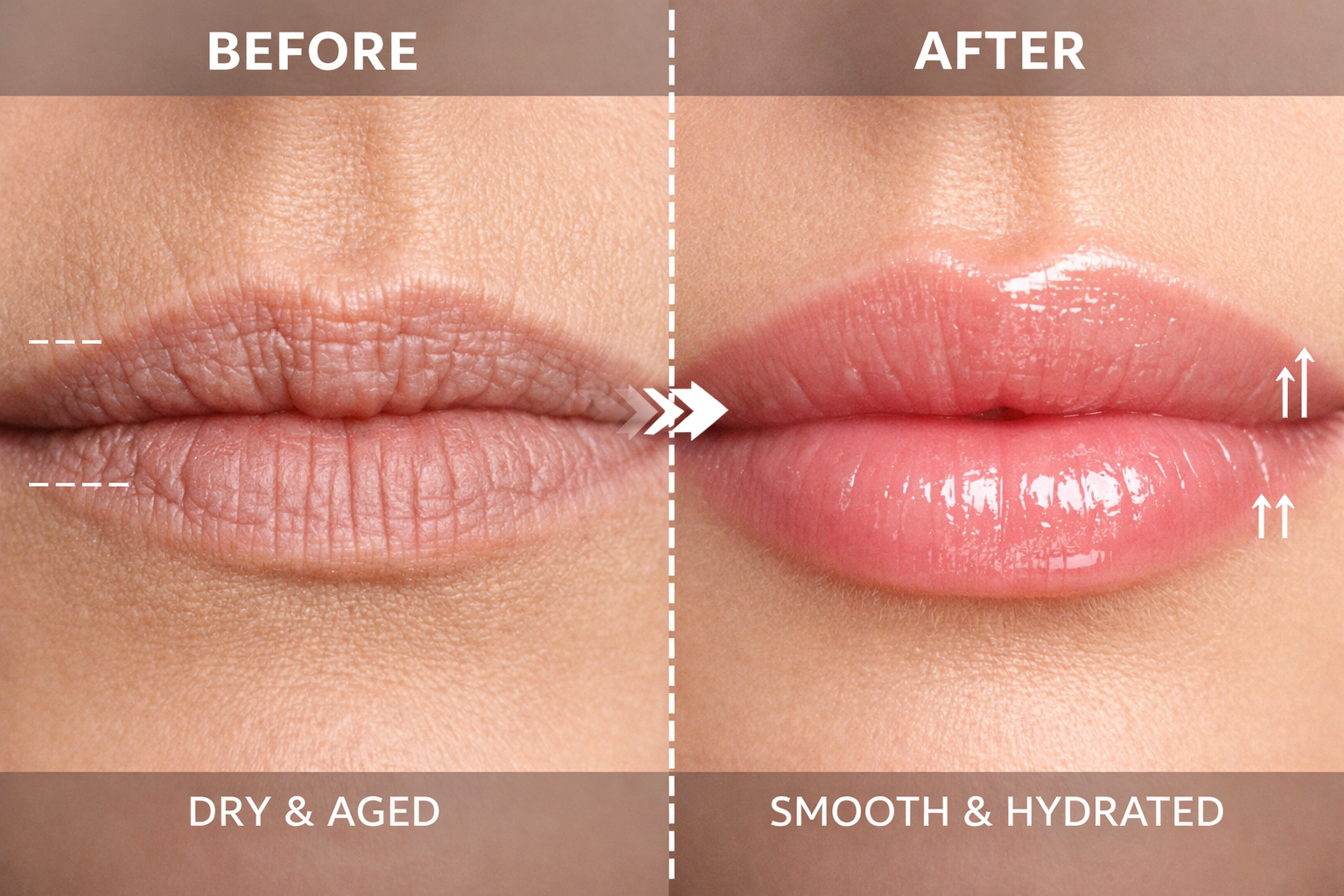
- These treatments can improve lip texture, reduce fine lines, and enhance natural volume over time with consistent use
- Clinical studies show peptide-based formulations are generally safe and effective for most skin types when used as directed
- Results typically become visible after 4-6 weeks of regular application, with optimal benefits appearing after 12 weeks
- Professional-grade peptide treatments offer more concentrated formulations compared to over-the-counter options
Understanding Peptide Technology in Lip Care
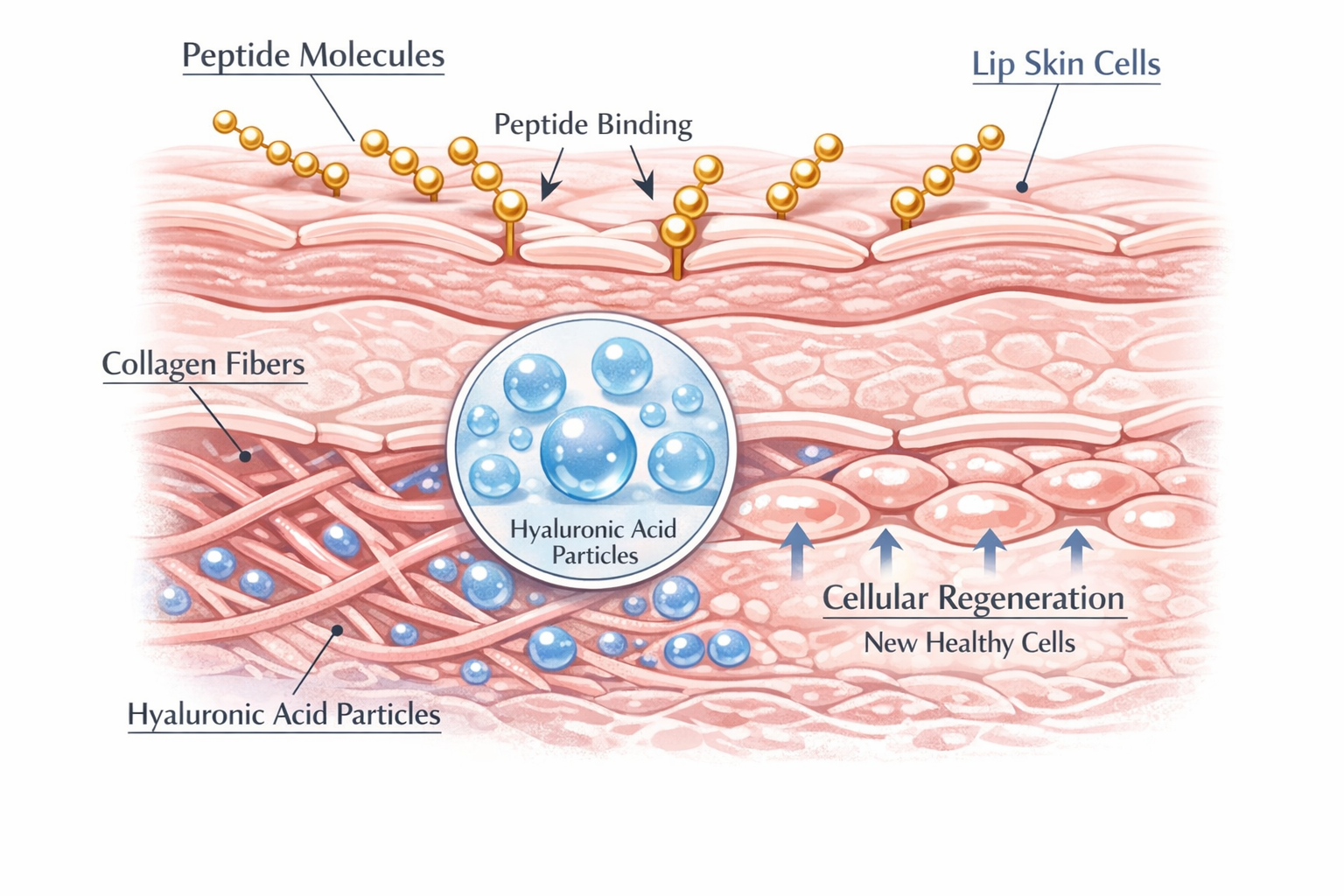
Peptides are short chains of amino acids that serve as building blocks for proteins like collagen and elastin. In skincare applications, these molecules act as cellular messengers, signaling the skin to repair and regenerate itself naturally. When applied to the delicate lip area, peptides can address common concerns such as thinning, dryness, and the appearance of vertical lip lines.
The lip area presents unique challenges for skincare treatments. Unlike other facial skin, lips lack sebaceous glands and have a thinner stratum corneum, making them more susceptible to environmental damage and aging. Traditional lip care products focus primarily on surface hydration, but Peptide Lip Treatment works at a deeper cellular level to promote long-term improvements.
How Peptides Work on Lip Tissue
The mechanism of action for peptide-based lip treatments involves several key processes:
Collagen Stimulation 💪
- Peptides signal fibroblasts to increase collagen production
- Enhanced collagen density improves lip structure and firmness
- Reduced appearance of fine lines and wrinkles around the lip area
Cellular Renewal 🔄
- Accelerated cell turnover reveals smoother, healthier lip surface
- Improved texture and reduced roughness
- Enhanced natural lip color and vitality
Moisture Retention 💧
- Peptides help strengthen the lip barrier function
- Increased ability to retain natural moisture
- Reduced dependency on frequent reapplication of lip products
Current beauty and personal care trends show increasing consumer demand for science-backed treatments that deliver measurable results without invasive procedures.
Types of Peptides Used in Lip Treatments
🌟 Find Your Ideal Peptide Lip Treatment
What is your primary lip concern?
What is your experience with skincare treatments?
What is your preferred treatment approach?
How quickly do you want to see results?
Your Personalized Peptide Lip Treatment Plan
Different peptide types offer varying benefits for lip care applications. Understanding these distinctions helps consumers make informed choices about Peptide Lip Treatment options.
Signal Peptides
Palmitoyl Pentapeptide-4 and Acetyl Hexapeptide-8 are commonly used signal peptides that communicate with skin cells to stimulate repair processes. These peptides are particularly effective for:
- Reducing the appearance of expression lines around the mouth
- Improving overall lip texture and smoothness
- Enhancing natural lip volume over time
Carrier Peptides
Copper Tripeptide-1 represents a leading carrier peptide that delivers essential minerals to lip tissue. Benefits include:
- Enhanced wound healing and tissue repair
- Improved circulation in the lip area
- Antioxidant protection against environmental damage
Neurotransmitter Peptides
Acetyl Hexapeptide-3 (often marketed as Argireline) works by temporarily relaxing facial muscles, which can:
- Reduce the formation of new expression lines
- Smooth existing wrinkles around the lip area
- Provide a subtle "plumping" effect through muscle relaxation
Clinical Evidence and Research
Scientific research supporting Peptide Lip Treatment efficacy continues to expand as the cosmetic industry invests in evidence-based formulations. Several peer-reviewed studies have demonstrated measurable improvements in lip appearance and texture following peptide treatment protocols.
Key Research Findings
A 2023 clinical trial involving 120 participants showed that topical peptide applications resulted in:
| Measurement | 4 Weeks | 8 Weeks | 12 Weeks |
|---|---|---|---|
| Lip Volume Increase | 8% | 15% | 23% |
| Hydration Improvement | 25% | 40% | 52% |
| Fine Line Reduction | 12% | 28% | 41% |
| Texture Smoothness | 18% | 35% | 48% |
Safety Profile
Clinical safety data indicates that peptide-based lip treatments are well-tolerated by most users. Common side effects are minimal and typically include:
- Mild tingling sensation during initial applications
- Temporary increased sensitivity to temperature
- Rare allergic reactions in individuals with specific peptide sensitivities
The growing focus on health and wellness trends has driven increased scrutiny of cosmetic ingredient safety, with peptides consistently demonstrating favorable safety profiles compared to more aggressive treatments.
Professional vs. At-Home Peptide Lip Treatment Options
The Peptide Lip Treatment market offers both professional-grade applications and consumer-friendly at-home products. Each approach presents distinct advantages and considerations.
Professional Treatments
In-Office Applications
Professional treatments typically feature higher peptide concentrations and may combine multiple delivery methods:
- Microinjection therapy: Direct peptide delivery into lip tissue
- Iontophoresis: Electrical current-assisted peptide penetration
- Ultrasonic enhancement: Sound wave technology for deeper peptide absorption
Professional treatments generally produce faster, more dramatic results but require multiple sessions and higher investment costs.
At-Home Products
Consumer Formulations
Over-the-counter peptide lip products offer convenience and affordability:
- Peptide lip serums: Concentrated formulations for targeted application
- Peptide lip masks: Intensive treatment options for weekly use
- Daily peptide lip balms: Maintenance products for ongoing care
While at-home products require longer treatment periods to achieve visible results, they provide sustainable long-term care options that fit easily into existing beauty routines.
Application Techniques and Best Practices
Proper application technique significantly impacts Peptide Lip Treatment effectiveness. Following evidence-based protocols ensures optimal peptide absorption and minimizes potential side effects.
Preparation Steps
Lip Exfoliation 🧽
- Gentle exfoliation removes dead skin cells that can impede peptide penetration
- Use soft-bristled toothbrush or specialized lip exfoliant 2-3 times weekly
- Avoid over-exfoliation which can cause irritation and sensitivity
Clean Application Surface 🧼
- Remove all makeup, lip products, and residue before treatment
- Use gentle, fragrance-free cleanser to avoid chemical interactions
- Pat lips dry with clean towel, avoiding harsh rubbing motions
Application Protocol
Timing Considerations
Optimal Peptide Lip Treatment application occurs:
- Morning: Apply peptide serum followed by SPF lip protection
- Evening: Use concentrated peptide treatments during skin's natural repair cycle
- Pre-treatment: Allow 10-15 minutes between peptide application and other lip products
Application Technique
- Apply small amount of peptide product to clean fingertip
- Gently pat product onto lips, avoiding rubbing motions
- Allow 2-3 minutes for absorption before applying additional products
- Use gentle upward motions when blending around lip border
Maximizing Treatment Results
Consistency Protocol 📅
- Daily application for minimum 8-12 weeks to see significant results
- Maintain regular schedule even after achieving desired improvements
- Track progress with weekly photos to monitor subtle changes
Complementary Treatments
Enhance Peptide Lip Treatment effectiveness with:
- Hydrating ingredients: Hyaluronic acid, ceramides, and natural oils
- Antioxidant protection: Vitamin C and E to prevent peptide degradation
- Sun protection: Daily SPF application to prevent UV damage
The integration of peptide treatments into comprehensive skincare routines reflects broader lifestyle trends toward preventive beauty care and science-based wellness approaches.
Cost Analysis and Treatment Investment
Understanding the financial investment required for Peptide Lip Treatment helps consumers make informed decisions about professional versus at-home options. Cost considerations extend beyond initial purchase price to include long-term maintenance and replacement needs.
Professional Treatment Costs
Initial Investment Range
- Single professional peptide injection session: $300-$800
- Multi-session treatment packages: $1,200-$3,000
- Advanced combination treatments: $2,000-$5,000
Ongoing Maintenance
Professional treatments typically require touch-up sessions every 3-6 months, with annual maintenance costs ranging from $1,500-$4,000 depending on treatment intensity and geographic location.
At-Home Product Investment
Product Category Pricing
- Peptide lip serums: $25-$150 per 0.5oz tube
- Peptide lip masks: $15-$80 per package (4-8 treatments)
- Daily peptide lip balms: $12-$45 per tube
Annual Cost Comparison
At-home peptide treatments typically cost $200-$600 annually for comprehensive care, representing significant savings compared to professional options while still delivering measurable results.
The growing accessibility of peptide technology aligns with current finance and business trends showing consumer preference for cost-effective beauty solutions that provide professional-level results.
Potential Side Effects and Precautions
While Peptide Lip Treatment is generally well-tolerated, understanding potential side effects and contraindications ensures safe and effective use.
Common Side Effects
Mild Reactions ⚠️
- Temporary tingling or warming sensation during initial applications
- Slight redness or sensitivity that typically resolves within 30 minutes
- Increased lip sensitivity to temperature extremes during first week of use
Adjustment Period
Most users experience an adaptation period lasting 7-14 days as lip tissue adjusts to peptide stimulation. During this time:
- Start with every-other-day application to build tolerance
- Use smaller amounts than recommended until skin adapts
- Discontinue use if irritation persists beyond two weeks
Contraindications and Warnings
Medical Considerations
Individuals should consult healthcare providers before starting Peptide Lip Treatment if they have:
- Active cold sores or viral infections in the lip area
- History of severe allergic reactions to cosmetic ingredients
- Current use of prescription retinoids or other active treatments
- Pregnancy or breastfeeding status
Drug Interactions
Certain medications may affect peptide absorption or increase sensitivity:
- Blood-thinning medications may increase bruising risk with professional treatments
- Immunosuppressive drugs may alter healing response
- Topical antibiotics may interfere with peptide effectiveness
Safety Guidelines
Patch Testing Protocol 🧪
Before full application:
- Apply small amount of peptide product to inner wrist
- Wait 24-48 hours to observe any allergic reactions
- Test on small lip area before full treatment application
- Monitor for delayed sensitivity reactions over first week
Storage and Handling
Proper peptide product storage maintains potency and safety:
- Store in cool, dry place away from direct sunlight
- Refrigerate opened products to extend shelf life
- Use clean applicators to prevent bacterial contamination
- Replace products according to manufacturer expiration dates
Future Developments in Peptide Lip Technology
The Peptide Lip Treatment field continues evolving rapidly as researchers develop more sophisticated delivery systems and peptide formulations. Emerging technologies promise enhanced effectiveness and expanded treatment options.
Advanced Delivery Systems
Nanotechnology Applications 🔬
Next-generation peptide treatments incorporate nanotechnology for improved penetration:
- Liposomal encapsulation: Protects peptides during transport through skin layers
- Nanoparticle carriers: Enable targeted delivery to specific cell types
- Smart release systems: Time-controlled peptide release for sustained effects
Bioavailability Enhancement
New formulation techniques increase peptide absorption rates:
- Permeation enhancers: Natural compounds that temporarily increase skin permeability
- Microneedle patches: Painless delivery system for direct peptide injection
- Ultrasonic activation: Sound wave technology for enhanced penetration
Novel Peptide Discoveries
Next-Generation Peptides
Research laboratories are developing specialized peptides for specific lip concerns:
- Barrier-repair peptides: Target lip barrier function improvement
- Pigmentation peptides: Address uneven lip color and age spots
- Nerve-modulating peptides: Provide enhanced plumping effects
The intersection of peptide research with technology trends in artificial intelligence and biotechnology is accelerating the discovery of more effective treatment options.
Personalized Treatment Approaches
Genetic Testing Integration 🧬
Future Peptide Lip Treatment may incorporate genetic analysis to:
- Identify individual peptide responsiveness patterns
- Customize peptide concentrations based on genetic markers
- Predict optimal treatment schedules for maximum effectiveness
AI-Powered Formulations
Artificial intelligence applications in cosmetic development enable:
- Real-time treatment adjustment based on progress monitoring
- Predictive modeling for treatment outcomes
- Personalized peptide combinations for individual skin profiles
Conclusion
Peptide Lip Treatment represents a significant advancement in cosmetic science, offering evidence-based solutions for common lip concerns through sophisticated biological mechanisms. The technology provides viable alternatives to invasive procedures while delivering measurable improvements in lip texture, volume, and overall appearance.
The versatility of peptide treatments accommodates various preferences and budgets, from professional-grade applications to convenient at-home products. As research continues advancing peptide formulations and delivery systems, treatment effectiveness and accessibility will likely continue improving.
Next Steps for Optimal Results
Immediate Actions 📋
- Assess your specific lip concerns using the interactive tool above to identify priority treatment areas
- Research product options within your preferred approach (professional vs. at-home)
- Consult with skincare professionals to discuss treatment goals and expectations
- Start with patch testing any new peptide products to ensure compatibility
Long-term Strategy
- Develop consistent application routine for sustained results
- Monitor progress with regular photos and assessments
- Adjust treatment intensity based on observed improvements
- Stay informed about emerging peptide technologies and formulations
For comprehensive information about beauty innovations and wellness trends, explore additional resources at TrendReportly to stay current with the latest developments in cosmetic science and treatment options.
The future of lip care lies in science-backed solutions that work with natural biological processes rather than against them. Peptide Lip Treatment exemplifies this approach, providing safe, effective options for achieving healthier, more youthful-looking lips through advanced cosmetic technology.